How can you tell LVT/LVP from VCT?
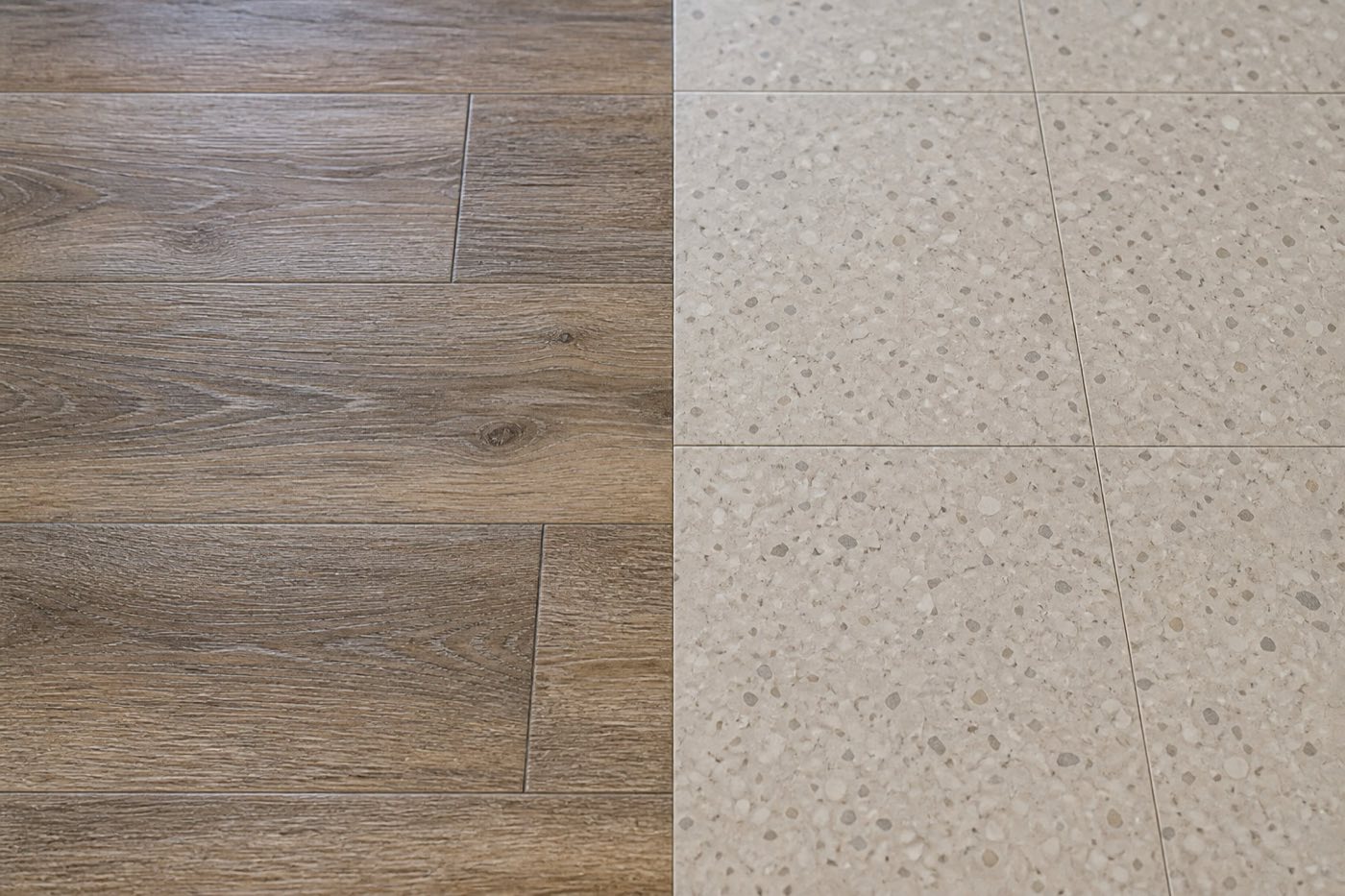
LVT often appears as wood-look planks or stone-look tiles with an embossed surface and factory wear layer. VCT commonly appears as 12-inch-style square tiles with a mottled through-pattern and depends on applied finish. Appearance is not proof. Renovations can leave both materials in one corridor, and some LVT intentionally imitates square commercial tile.
Use as-built records, invoices, attic stock, manufacturer labels, tile dimensions, seams, pattern depth, and installation history. A small inconspicuous test may help, but do not use stripper as an identification tool. Map every transition before chemistry arrives so a VCT process does not cross onto LVT, rubber, carpet, or another floor.
Why does waxing turn a low-maintenance floor into a high-maintenance floor?
Once acrylic finish is placed on LVT, the facility now maintains the coating rather than the factory wear layer. It must clean around the finish, repair scuffs, burnish or recoat, manage buildup, and eventually remove the added system without damaging the original topcoat. A short-term shine request can create years of avoidable labor.
The recurring cautionary pattern is an administrator seeing a dull new floor, asking staff to wax it, and the available product being applied before the material is identified. The floor can become streaky, peel within weeks, or require ongoing coating. We treat that pattern as a specification failure, not as proof that more layers are needed.
Why does brand-new LVT look dull or streaky?
Possibilities include construction dust, adhesive residue, detergent film, hard-water minerals, disinfectant residue, dirty pads, wrong dilution, micro-scratching, lighting angle, or an expectation of VCT-like gloss on a matte factory finish. Preserve the manufacturer and cleaner information, then test the recommended cleaning method in a small zone.
Do not escalate immediately to stripper, acrylic polish, or a more aggressive pad. The factory sheen may be intentional. Compare the cleaned test area under normal lighting and contact the flooring manufacturer when warranty or product identity is uncertain. The correct outcome may be a clean satin floor rather than a high-gloss coated floor.
Which other floors should not receive ordinary VCT wax?
Glazed ceramic and porcelain are not intended to be waxed as VCT; coating can sit on the glaze and peel. Wood gym floors use manufacturer-approved wood finish systems, often annual screen-and-recoat with full sanding only around 7–10 years when condition justifies it—not acrylic floor wax. Polished concrete uses a separate maintenance system and should be assessed first.
Terrazzo can use specialized sealers or finish programs depending on binder, condition, and owner standard; do not make a blanket wax claim. True linoleum may receive compatible finish, while no-wax sheet vinyl does not take paste wax. The correct floor map can contain 5 different maintenance specifications in one building.
What should a no-wax LVT maintenance plan include?
Use the manufacturer-approved neutral cleaner, dilution, pad, autoscrubber settings, spot method, matting, grit control, and frequency. Keep dirty solution and aggressive pads from abrading the wear layer. Address construction residue and disinfectant film with the flooring manufacturer's guidance. Replace damaged planks or correct adhesive and moisture problems rather than hiding them under polish.
Record the product line and warranty documents in the facility floor schedule. Train staff that dull does not necessarily mean dirty and shiny does not necessarily mean protected. If a coating exception is considered, obtain written compatibility and warranty guidance from both the flooring and coating manufacturers before a test area or bid.
What belongs in a floor-identification walkthrough?
Map substrate by room, photograph seams and transitions, locate attic stock and records, note wear and cleaning products, and identify areas where past coating may already exist. The written output should label VCT finish zones, LVT no-wax zones, ceramic or concrete care, carpet boundaries, uncertain areas, and a stop condition.
The provider's quote then prices only compatible work. Refusing to wax LVT may reduce the immediate invoice, which is precisely why the position is useful. The long-term objective is a clean maintainable floor, protected warranty posture, and no avoidable strip-and-recoat program on a material designed to avoid one.